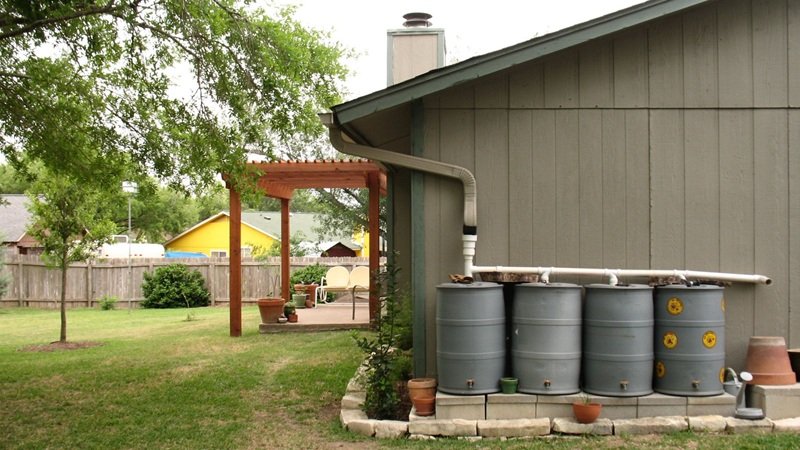
Rainwater collection is one of the most practical and accessible ways to increase your water independence. It allows you to capture a free and renewable resource that would otherwise go to waste, turning it into a reliable supply for everyday use or emergency situations.
Water is one of the most critical resources to secure. Having a rainwater system reduces reliance on external sources and provides a backup when regular supply is disrupted. It also supports long-term sustainability by creating a system you can maintain and expand over time.
How Rainwater Collection Works

Rainwater collection follows a simple but effective process: capture, direct, store, and use. Rain falls onto a surface, typically a roof, then flows into gutters and downspouts that guide it into a storage container.
From there, the water can be accessed directly or further treated depending on how you plan to use it. The effectiveness of the system depends on how well each part works together.
A clean catchment surface, properly installed gutters, and secure storage all contribute to water quality and reliability. Even a basic setup can collect a surprising amount of water, especially during consistent rainfall.
Is Rainwater Safe to Use?
Rainwater can be safe to use, but it depends on how it is collected, stored, and treated. As rain falls, it is relatively clean, but it can pick up contaminants from roofs, gutters, and the surrounding environment.
Because of this, untreated rainwater is generally best used for non-drinking purposes such as gardening or cleaning. For drinking, additional steps are required to ensure safety.
This typically includes filtration and purification to remove debris, bacteria, and other potential contaminants. With the right treatment, rainwater can become a reliable source of drinking water.
Basic Rainwater Collection Systems
A reliable rainwater collection system doesn’t need to be complex, but each part must work together effectively.
The goal is to guide water from where it falls to where it can be safely stored and used, while minimizing contamination along the way. Even a simple setup can be highly effective if the core components are in place and properly maintained.
Catchment Surface (Roof)
The roof is the primary surface where rainwater is collected, and its condition directly affects water quality. Smooth, non-toxic materials such as metal roofing are ideal because they allow water to flow cleanly and reduce contamination.
Roofs made from materials that shed debris or chemicals should be avoided for potable use. Keeping the surface clean improves both yield and safety.
Gutters and Downspouts
Gutters and downspouts are responsible for directing water from the roof into your storage system. They need to be properly installed, free of blockages, and slightly angled to ensure consistent flow.
Leaves and debris can quickly reduce efficiency, so adding simple screens or guards helps maintain performance.
First Flush Diverter
A first flush diverter is used to redirect the initial flow of rainwater away from your storage. This first runoff often contains dust, dirt, and contaminants from the roof. By separating it, you significantly improve the overall quality of the water that enters your system.
Storage Containers
Storage is where your collected water is held until needed. Containers should be durable, food-grade if used for drinking, and sealed to prevent contamination. Proper storage protects your supply and ensures it remains usable over time.
Types of Rainwater Storage
Choosing the right storage method is just as important as collecting the water itself. Storage determines how much water you can keep, how well it stays clean, and how accessible it is when you need it.
The best option depends on your space, budget, and long-term goals, but even simple setups can be highly effective when managed properly.
Rain Barrels
Rain barrels are the most common entry point for rainwater collection. They are easy to set up, relatively inexpensive, and connect directly to downspouts. This makes them ideal for beginners or smaller-scale systems. While their capacity is limited, multiple barrels can be linked together to increase storage.
Large Storage Tanks
For larger systems, storage tanks provide significantly more capacity and long-term reliability. These tanks can hold hundreds or even thousands of liters, making them suitable for extended use or supporting larger households. They require more space and planning but offer a more stable and scalable solution.
Underground Storage
Underground storage is a more advanced option that provides natural insulation and protection from light and temperature changes. This helps maintain water quality and reduces the risk of algae growth. While installation is more complex, it offers a long-term and space-efficient solution for larger systems.
How to Keep Collected Water Clean
Keeping collected rainwater clean is essential if you want your system to remain reliable over time. Even well-collected water can degrade if it’s exposed to debris, sunlight, or contamination during storage. The goal is to prevent problems before they start, rather than trying to fix them later.
Filtering Debris
The first step in maintaining clean water is removing debris before it enters your storage. Leaves, dirt, and small particles can quickly build up and affect water quality. Simple screens, mesh filters, or gutter guards can significantly reduce the amount of material entering your system.
Preventing Algae Growth
Algae growth is mainly caused by sunlight reaching the water. Using opaque containers or placing storage in shaded areas helps block light and prevents growth. Keeping water cool and out of direct sun is one of the most effective ways to maintain quality.
Keeping Containers Sealed
Sealed storage prevents insects, dust, and other contaminants from entering the water. Open containers can quickly become breeding grounds for mosquitoes or bacteria. Ensuring lids and connections are secure helps protect your supply.
Regular Maintenance
Even a well-designed system needs occasional maintenance. Cleaning gutters, checking filters, and inspecting storage containers helps prevent buildup and contamination. Regular checks keep your system functioning properly and extend its lifespan.
Using Rainwater
Collected rainwater can be used in a variety of ways, but how you use it should always depend on how it has been collected, stored, and treated.
Not all rainwater is immediately safe for every purpose, so matching the water quality to the intended use is essential. A well-designed system allows you to use water efficiently without unnecessary risk.
Gardening and Irrigation
One of the most common and safest uses for rainwater is watering plants. Rainwater is naturally free of many chemicals found in treated tap water, making it ideal for gardens, lawns, and crops. It can be used directly without treatment, especially when collected and stored properly.
Cleaning and Utility Use
Rainwater is also well-suited for cleaning tasks such as washing outdoor surfaces, tools, or vehicles. It can be used for flushing systems or general utility purposes where drinking-quality water is not required. This helps reduce demand on your primary water supply.
Drinking Water (with Treatment)
Rainwater can be used for drinking, but only after proper filtration and purification. This typically involves removing debris and treating the water to eliminate bacteria, viruses, and other contaminants. With the right setup, rainwater can become a reliable source of potable water, but it should never be consumed untreated.
How Much Water Can You Collect?
The amount of rainwater you can collect depends on two main factors: the size of your catchment surface and the amount of rainfall in your area.
Even small setups can produce significant amounts of water over time. As a general idea, 1 millimeter of rain on 1 square meter of roof can yield about 1 liter of water, assuming efficient collection.
This means that even a modest roof can collect hundreds of liters during a single rainfall event. Larger roofs or consistent rainfall can quickly add up to a substantial supply. However, actual collection will vary depending on system efficiency, losses, and how well your setup is maintained.
Wrap-Up
Rainwater collection is one of the simplest ways to improve water security and reduce dependence on external systems. With a basic setup and proper maintenance, it can provide a steady and reliable source of water for a wide range of uses.
The key is to think in terms of systems: collection, storage, and treatment working together. Even small setups can deliver meaningful results, especially when expanded over time. By starting simple and building gradually, you create a solution that is both practical and sustainable for the long term.