
Winter water problems rarely announce themselves. Water pressure drops overnight, boil advisories arrive late, and the containers filled months ago are frozen solid in the garage. Snow looks clean but carries enough uncertainty to slow decisions when water is needed most. A calm, repeatable approach keeps drinking water safe, usable, and unfrozen during cold-weather disruptions without relying on extremes or last-minute guesswork.
Mission at a Glance (TL;DR)
- Objective: Maintain safe, usable drinking water through effective winter water storage.
- Time Required: 10 to 15 minutes.
- Core Actions: Identify a viable water source, purify it correctly, store it safely, and prevent freezing.
- End State: You can produce drinkable water indoors without improvising under stress.
Last update on 2025-12-30 / Affiliate links / Images from Amazon Product Advertising API
(As an Amazon Associate, we earn from qualifying purchases.)
Mission Checklist
Step 1: Assess Your Water Source
Effective winter water storage starts with knowing what water you can actually access when temperatures drop.
Tap Water
- Check for normal pressure. Reduced or intermittent pressure increases contamination risk.
- Watch for boil advisories following pipe breaks, power loss, or pumping issues.
- If pressure drops significantly or stops, assume treatment is required before drinking.
Household Reserve Water
- Water heaters contain usable water if the tank is intact.
- Toilet tanks without cleaners or dyes can serve as emergency sources.
- Treat these sources if the outage lasts more than a short period.
Snow and Ice
- Clean snow is a valid emergency source for winter water storage.
- Ice formed from known potable water is acceptable.
- Natural ice from lakes or streams always requires purification.
Last update on 2025-12-30 / Affiliate links / Images from Amazon Product Advertising API
Rule: If you would not drink the water straight in summer, treat it in winter.
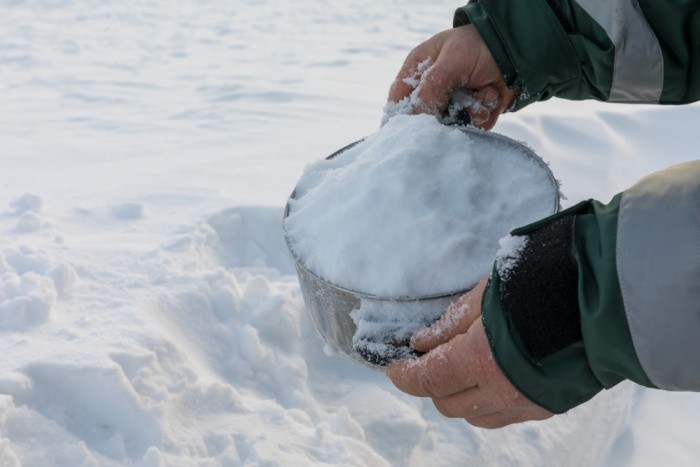
Step 2: Melt Snow Safely Indoors
Snow melting is often part of winter water storage planning, but contamination mistakes are common.
Snow to Collect
- Fresh, white snow from open areas.
- Snow collected away from roads, vehicles, and chimneys.
Snow to Avoid
- Roadside or plowed snow.
- Snow from rooftops due to shingles, tar, and bird droppings.
- Snow with visible dirt, grit, or discoloration.
Melting Process
- Bring snow inside in a clean container.
- Melt first, then purify. Never eat snow directly.
- Expect low yield. About one gallon of loose snow produces one quart of water.
Soot and Ash Considerations
Fireplaces, wood stoves, and generators release fine ash that settles quickly.
- Fireplaces, wood stoves, and generators release fine ash.
- If ash or soot is present, pre-filter melted snow through a clean cloth.
- Purify only after visible particles are removed.
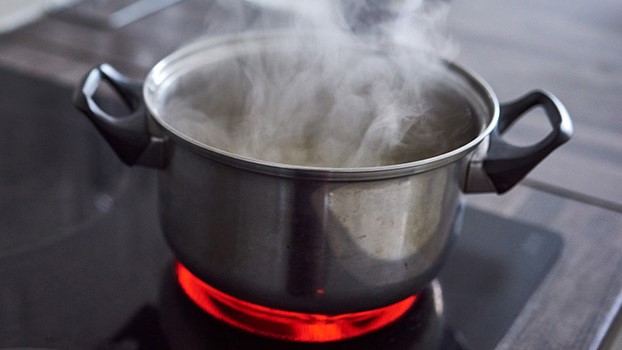
Step 3: Choose a Purification Method
Choose one method based on conditions. Avoid stacking methods without a clear reason.
Boiling
- Use when: You have a reliable heat source and clear water.
- Avoid when: Fuel is limited or water is heavily sedimented.
- How: Bring to a rolling boil for one minute. Three minutes at higher elevations.
Chlorine Dioxide Tablets
- Use when: Fuel is scarce and water is clear.
- Avoid when: Water is cloudy or you cannot wait full contact time.
- How: Follow instructions exactly. Cold water requires longer treatment.
Gravity Filter
- Use when: You want repeatable indoor purification for winter water storage.
- Avoid when: Filters have frozen or cannot be kept warm.
- How: Pre-filter dirty water and allow gravity to work naturally.
Unsafe Combinations to Avoid
- Mixing chemical treatments.
- Filtering frozen water through frozen filters.
- Assuming clear water is safe without treatment.
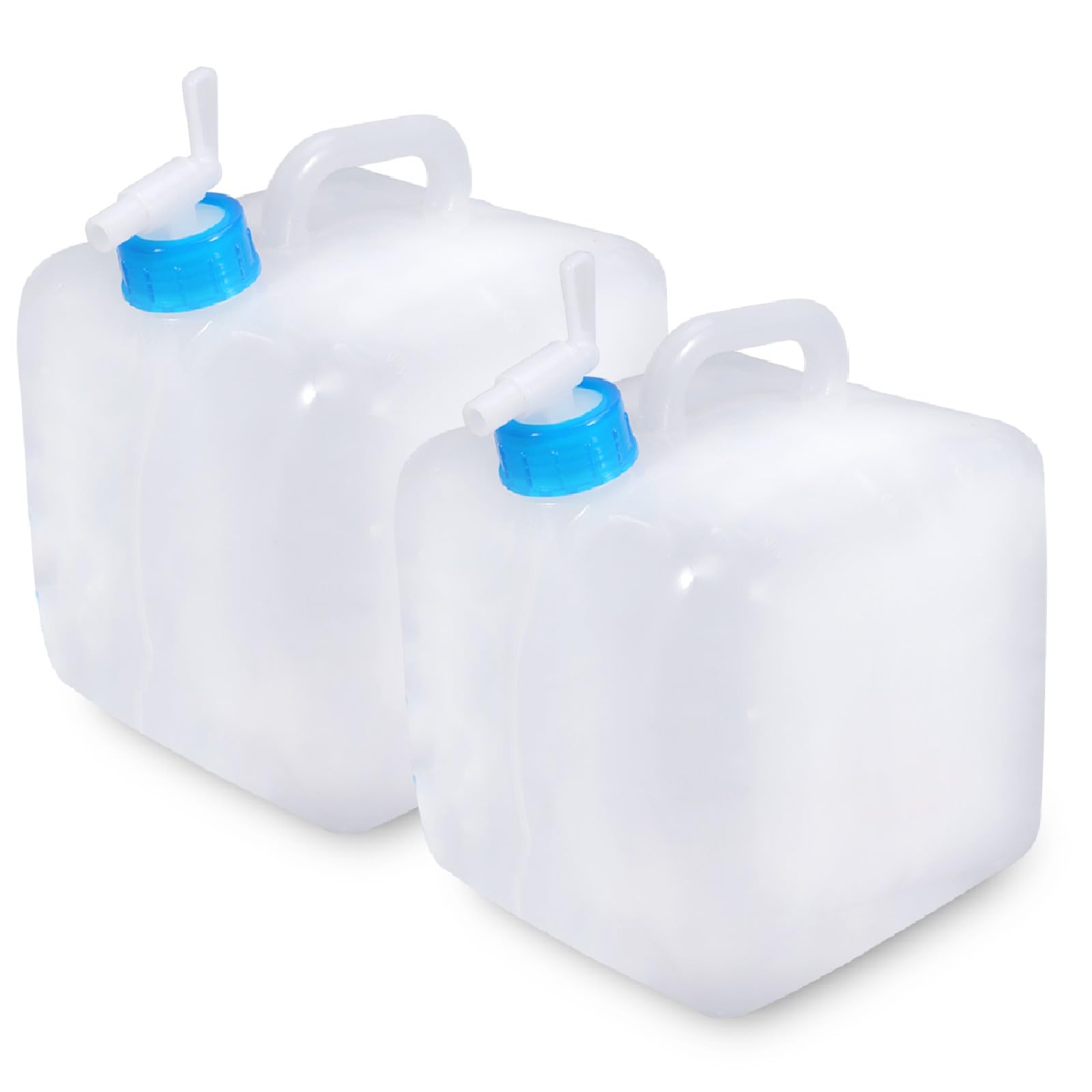
Step 4: Store Smart
Most winter water storage failures happen after purification.
Headspace Rule
- Leave about 10 percent empty space in rigid containers.
- Water expands as it freezes. No headspace leads to cracked containers.
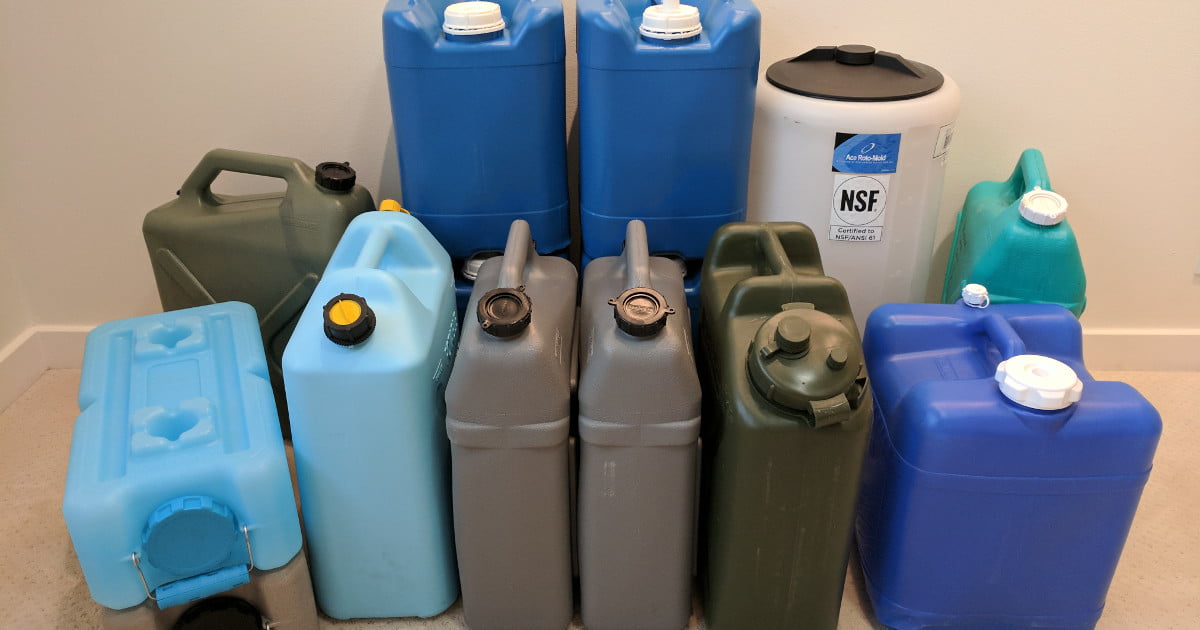
Container Types
- Rigid jugs for short-term indoor use.
- Collapsible containers for space-efficient winter water storage.
- Food-grade buckets for bulk storage.
Spigot Orientation
- Store spigots sideways or downward.
- Avoid upward pressure against seals.
- Test containers for leaks before placing near finished floors.
Last update on 2025-12-30 / Affiliate links / Images from Amazon Product Advertising API
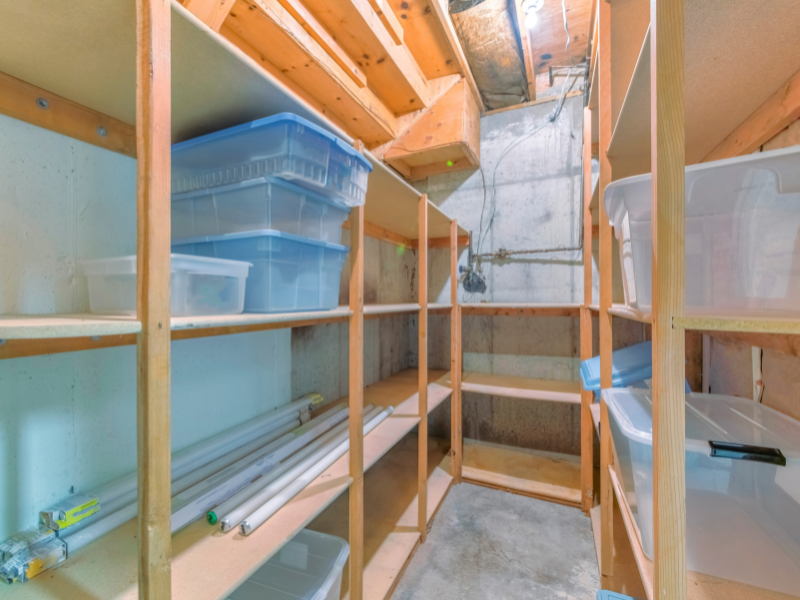
Step 5: Protect Stored Water from Freezing
Frozen water defeats the purpose of winter water storage.
Room Selection
- Use interior rooms whenever possible.
- Avoid garages, sheds, and exterior walls.
Insulation Methods
- Wrap containers with towels, blankets, or foam.
- Place insulation beneath containers on concrete floors.
Elevation
- Store water on shelves or pallets.
- Concrete floors pull heat away faster than air.

Step 6: Flavor, Clarity, and TDS
Keep this practical and focused on decision-making.
Clarity
- Cloudy water should be settled or filtered before purification.
- Sediment shields microorganisms from treatment.
Taste
- Boiled water tastes flat. Pouring between containers restores oxygen.
- Chemical taste fades with time and ventilation.
When TDS Matters
- TDS meters measure dissolved solids, not safety.
- Use them to track changes over time, not to declare water drinkable.
- Sudden spikes signal the need for re-treatment.
Last update on 2025-12-30 / Affiliate links / Images from Amazon Product Advertising API
Step 7: Rotation and Monitoring
A simple rotation plan keeps winter water storage reliable.
Labeling
- Mark containers with fill date and purification method.
- Painter’s tape works well and removes cleanly.
FIFO
- First in, first out.
- Rotate stored water every six months when practical.
Weekly Checks
- Visual inspection for leaks.
- Confirm containers are not cold to the touch.
- Ensure filters and tablets are stored above freezing.
Gear Basics
This is the minimum equipment needed for reliable winter water storage.
- Collapsible water container with spigot
- Gravity water filter suitable for indoor use
- Chlorine dioxide tablets
- Food-grade buckets with sealing lids
- Small thermometer or basic TDS meter
These items provide redundancy without clutter or complexity.
The Bottom Line
Winter water storage fails quietly. A frozen container, a cracked jug, or untreated snow can turn a minor outage into a serious inconvenience. A simple seven-step system keeps water clean, liquid, and accessible indoors throughout cold-weather disruptions.
Set it up once, maintain it with quick checks, and move on knowing your winter water storage is handled.
FAQs
Q: How much water should I store for winter emergencies?
A practical baseline is one gallon per person per day for drinking and basic use. Even a short three-day reserve significantly reduces stress during outages.
Q: Can I drink melted snow without purifying it?
No. Snow can contain airborne pollutants, bacteria, and debris. Always purify melted snow before drinking.
Q: Is boiling better than chemical treatment?
Neither is universally better. Boiling is definitive but fuel-intensive. Chemical treatment is lightweight but requires time and clear water. Choose based on conditions.
Q: Will freezing damage water filters?
Yes. Many filters crack internally when frozen and become unsafe. Always store filters above freezing.
Q: Does clear water mean it is safe to drink?
No. Clear water can still contain harmful microorganisms. Purification is required regardless of appearance.
Q: How often should I rotate stored water?
Every six months is a practical standard for most households, sooner if containers experience temperature swings.
Q: Can I store water in my garage during winter?
It is not recommended. Garages freeze easily and increase the risk of cracked containers and unusable water.

