Modern wars are no longer fought only with missiles, tanks, and soldiers. Increasingly, they are fought with keyboards.
Cyber warfare has become one of the fastest-growing threats in global conflict, and experts warn that attacks on digital infrastructure could have real-world consequences; including power outages, transportation disruptions, and financial system failures.
While these scenarios may sound like something out of a movie, cybersecurity analysts and government officials have repeatedly warned that critical infrastructure such as power grids, pipelines, and communications networks could become targets during geopolitical tensions or war.
So how real is the threat, and what could happen if a cyberattack actually hit critical systems?
The Rise of Cyber Warfare
Over the past two decades, cyberattacks have increasingly been used as tools of state power.
Unlike traditional military operations, cyber operations can be launched remotely, often anonymously, and at a fraction of the cost of conventional weapons.
They can also disrupt a country’s infrastructure without causing physical destruction. Several incidents have already demonstrated the real-world impact of cyber operations.
In 2015 and again in 2016, cyberattacks believed to be linked to Russian hackers disrupted Ukraine’s power grid, leaving hundreds of thousands of people temporarily without electricity.
In the United States, the 2021 ransomware attack on Colonial Pipeline caused fuel shortages across parts of the East Coast after the company temporarily shut down operations.
These events highlighted how digital attacks can quickly translate into physical disruptions affecting millions of people.
Why Power Grids Are Attractive Targets
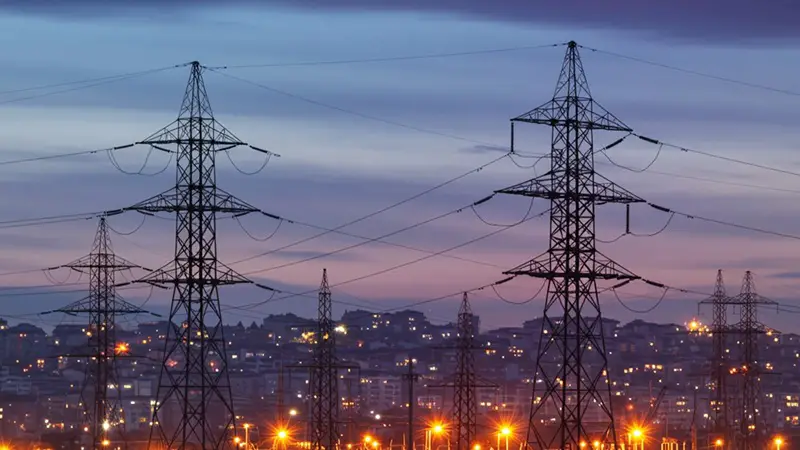
Power infrastructure is one of the most critical systems in modern society. Nearly every essential service depends on electricity, including hospitals, communication networks, transportation systems, and water treatment plants.
Because of this, power grids are considered high-value targets for cyber attackers. Modern electrical grids rely heavily on computerized control systems that manage the flow of electricity across thousands of miles of transmission lines.
While these systems are designed with security protections, they also create potential entry points for sophisticated attackers. A successful cyberattack against grid management systems could potentially cause:
- regional power outages
- disruptions to internet and cellular networks
- gas stations unable to process payments
- temporary shutdowns of transportation systems
- disruptions to supply chains
Even a short-term outage could create widespread inconvenience and economic disruption.
Could It Happen in the United States?
The United States has some of the most advanced cybersecurity defenses in the world. Federal agencies, private utilities, and security firms work continuously to monitor threats and protect infrastructure.
However, cybersecurity experts often emphasize that no system connected to digital networks can ever be completely immune from attack.
The U.S. electrical grid is also extremely large and complex, consisting of thousands of interconnected utilities, transmission lines, and local distribution networks.
While that complexity adds resilience in some ways, it can also create challenges in maintaining consistent cybersecurity standards across the entire system.
Government agencies including the Department of Homeland Security and the Cybersecurity and Infrastructure Security Agency (CISA) have repeatedly warned that state-backed hacking groups continue to probe critical infrastructure networks worldwide.
These activities do not necessarily mean an attack is imminent, but they illustrate how cyber threats have become a permanent feature of modern geopolitics.
What a Cyber-Triggered Blackout Could Look Like
If a cyberattack successfully disrupted parts of the electrical grid, the effects could vary widely depending on the scale and location of the attack.
In many cases, utilities are able to restore service relatively quickly, sometimes within hours. However, a larger disruption could lead to temporary challenges such as:
- traffic signals going offline
- ATMs and card payment systems failing
- internet connectivity issues
- delays in fuel distribution
- temporary interruptions to business operations
Most infrastructure operators also maintain backup systems and contingency plans designed to limit the impact of outages.
Still, cybersecurity experts often note that modern societies are heavily dependent on digital systems, which means disruptions can ripple across multiple sectors at once.
Why the Cyber Threat Is Often Overlooked
One reason cyber warfare receives less attention than traditional military threats is that it is largely invisible.
Missile strikes and military movements are easy to see and report. Cyber operations, on the other hand, often occur quietly in the background.
Attacks may take months or even years to plan. In some cases, attackers may infiltrate networks and remain undetected until they decide to launch an operation.
Because of this, cyber threats often appear abstract until a disruption actually occurs. Yet cybersecurity professionals consistently stress that digital infrastructure protection has become a critical component of national security.
Preparedness Without Panic
While large-scale cyberattacks remain relatively rare, experts often recommend basic preparedness steps that can help households manage temporary disruptions of electricity or digital services.
These preparations are the same ones recommended for storms, natural disasters, or other emergencies. Simple steps may include:
- keeping flashlights and backup lighting available
- having portable phone chargers or power banks
- maintaining a small amount of cash in case card systems go offline
- storing basic emergency supplies
- ensuring devices and home networks are properly secured and updated
Preparedness experts often emphasize that resilience, the ability to adapt and respond to disruptions, is more important than reacting to worst-case scenarios.
The Expanding Battlefield
As technology continues to shape modern life, the nature of conflict is evolving as well.
Today’s geopolitical tensions extend beyond land, sea, and air. They also reach into digital networks that power economies and infrastructure around the world.
While governments and security agencies work to strengthen defenses, experts say awareness of cyber risks remains important.
Because in the modern era, the next disruption might not come from a missile. It might come from a line of code.

