Stockpiling food is one of the most effective ways to build security and stability into your daily life. It protects you from short-term disruptions, reduces the need for frequent shopping, and helps buffer against rising food costs.
Not all foods are worth stockpiling. Some spoil quickly, others are difficult to use, and many don’t fit into everyday meals. The goal is not to store as much as possible, but to choose foods that are practical, long-lasting, and easy to integrate into your routine.
A good stockpile is built around usability. It should support your daily diet while also providing flexibility during disruptions. By focusing on the right types of food, you create a system that is both efficient and reliable over time.
What Makes a Food Good for Stockpiling?
The first factor is shelf life, foods that can last months or years without spoiling are far more valuable than those that require constant rotation. Dry, low-moisture foods tend to perform best in this category.
Nutritional value is also important. Foods that provide calories, protein, and essential nutrients help sustain you over time. At the same time, versatility plays a key role. Ingredients that can be used in multiple meals make your stockpile more practical and prevent it from becoming repetitive.
Ease of storage and preparation should not be overlooked. Foods that are simple to store and require minimal equipment to prepare are more reliable in a wide range of situations. When these factors come together, you get a stockpile that is not only long-lasting but also usable and effective.
Staple Foods (The Foundation)

Staple foods form the core of any effective stockpile because they provide the majority of calories and are easy to store in large quantities.
These foods are typically dry, affordable, and have a long shelf life when stored properly. More importantly, they are versatile and can be used to create a wide range of meals.
Rice
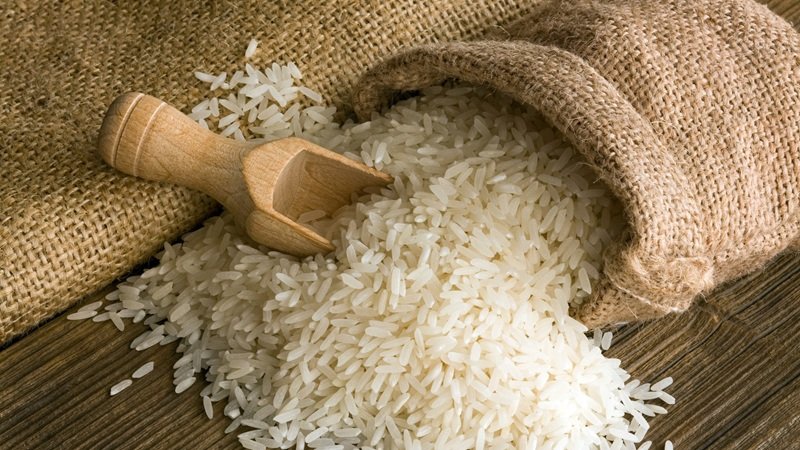
Rice is one of the most popular stockpiling foods due to its long shelf life and high calorie content. White rice, in particular, can last for years when stored correctly. It pairs well with a variety of other foods, making it a reliable base for many meals.
Beans and Lentils
Beans and lentils are excellent sources of protein and fiber. They complement staple grains like rice and help create more balanced meals. When stored dry, they can last a long time and are highly efficient from a nutritional standpoint.
Oats
Oats are easy to prepare and provide sustained energy, making them ideal for daily use as well as emergencies. They can be used in simple meals like porridge or incorporated into baking. Their versatility makes them a valuable addition to any stockpile.
Pasta
Pasta is another long-lasting staple that is easy to store and prepare. It requires minimal ingredients to turn into a complete meal and pairs well with a variety of sauces and preserved foods. This makes it a convenient and flexible option for long-term storage.
Canned and Preserved Foods
Canned and preserved foods add convenience and variety to a stockpile. Unlike dry staples, many of these items are ready to eat or require minimal preparation, making them especially useful during emergencies or when time and resources are limited.
Vegetables
Canned vegetables provide essential nutrients and help balance meals that rely heavily on dry staples. They are easy to use and can be added directly to dishes without additional preparation.
Fruits
Canned fruits offer both nutrition and variety, often providing a source of natural sugars and vitamins. They also help break up repetitive meal patterns, making your stockpile more sustainable over time.
Meats and Fish
Canned meats and fish are valuable sources of protein that do not require refrigeration. They can be used to quickly add substance to meals and are especially important for maintaining a balanced diet.
Ready Meals
Ready-to-eat canned meals provide convenience when cooking is not possible. They require little to no preparation and can be used during power outages or time-sensitive situations, making them a practical addition to any stockpile.
High-Calorie and Energy-Dense Foods
High-calorie foods play an important role in a stockpile because they provide a large amount of energy in a small volume.
In situations where food availability is limited or physical activity is higher than normal, these foods help maintain energy levels without requiring large portions.
Peanut Butter
Peanut butter is a highly efficient food due to its combination of fats, protein, and calories. It has a relatively long shelf life and can be eaten directly without preparation. It’s also versatile and can be used in both sweet and savory meals.
Oils and Fats
Cooking oils are essential for both calorie intake and food preparation. They significantly increase the energy content of meals and are necessary for cooking many staple foods. Proper storage is important, as oils can degrade over time if exposed to heat or light.
Nuts and Seeds
Nuts and seeds are compact, nutrient-dense, and easy to store. They provide a good balance of fats, protein, and micronutrients. While their shelf life is shorter than some dry staples, they are valuable for adding variety and energy to your stockpile.
Long-Lasting Essentials
Some foods may not provide significant calories on their own, but they are essential for both preservation and meal preparation. These items often last indefinitely and play a key role in making your stockpile more functional.
Sugar
Sugar is a long-lasting energy source that can be used in cooking, baking, and preservation. It does not spoil when stored properly, making it a reliable addition to any pantry.
Salt
Salt is critical not only for flavor but also for food preservation. It can be used in curing, pickling, and maintaining electrolyte balance. Like sugar, it has an extremely long shelf life when kept dry.
Honey
Honey is unique in that it can last indefinitely under proper conditions. It serves as both a sweetener and a natural preservative. Its versatility and durability make it one of the most valuable long-term storage items.
Ready-to-Eat and Convenience Foods
Ready-to-eat foods provide flexibility when cooking is not possible or practical. These items are especially useful during emergencies, travel, or situations where time and resources are limited.
Instant Meals
Instant foods such as noodles or packaged meals require minimal preparation, often just hot water. They are quick, convenient, and easy to store, making them a useful backup option.
Crackers and Dry Foods
Crackers and similar dry foods offer a simple, no-preparation option for quick energy. They pair well with other items like canned goods or spreads and help add variety to your stockpile.
Emergency Rations
Specialized emergency rations are designed for long shelf life and high calorie density. While not intended for everyday use, they provide a reliable backup for situations where other food options are limited or unavailable.
Foods to Stockpile Carefully (or Avoid)
Not all foods are suitable for long-term storage, and some can create more problems than benefits if included without consideration. One of the most common mistakes is storing foods with a short shelf life. Items that spoil quickly require constant rotation and can lead to waste if not managed carefully.
Foods with high moisture content are particularly risky, as they are more prone to spoilage and contamination. Similarly, items high in fats can go rancid over time, especially if stored in warm conditions.
While some of these foods can still be stored, they require closer attention and shorter rotation cycles. Another important factor is practicality. Stockpiling foods you don’t normally eat often leads to unused supplies.
In a real situation, unfamiliar foods can be difficult to prepare and may not be appealing. Focusing on foods that fit your regular diet ensures your stockpile remains useful and sustainable.
Building a Balanced Stockpile
A strong stockpile is not just about individual foods, it’s about how they work together. Combining different categories allows you to create complete, balanced meals rather than relying on single ingredients. This makes your food supply more practical and easier to use over time.
Thinking in terms of meals instead of items helps improve planning. For example, pairing staples like rice or pasta with canned vegetables and protein sources creates a more complete and satisfying option. Adding essentials like oils and seasonings further improves variety and usability.
Rotation is what keeps the system functional. By regularly using and replacing stored food, you maintain freshness and prevent waste. A balanced stockpile is not static—it evolves over time, adapting to your needs while remaining reliable.
Wrap-Up
The best foods to stockpile are those that are practical, long-lasting, and easy to use. By focusing on staples, preserved foods, and essential ingredients, you create a system that supports both everyday life and unexpected situations.
Rather than aiming for quantity alone, the goal is to build a stockpile that is balanced and usable. With the right approach, even a modest supply can provide stability and flexibility. Starting small and building consistently is what leads to a reliable and effective food storage system over time.