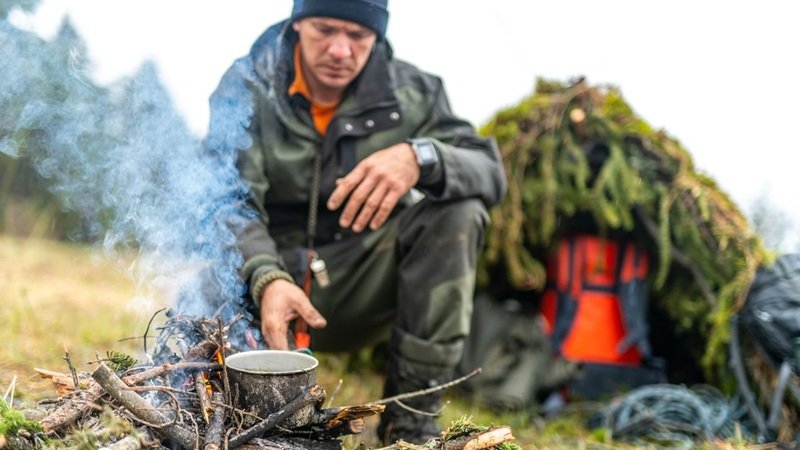
By using plants found in your environment, you can create warm, nutrient-rich drinks with minimal equipment. It’s a small skill, but one that adds comfort, variety, and even mild health benefits to your daily routine or emergency situation.
Beyond convenience, wild teas connect directly to self-reliance. Instead of depending on store-bought products, you learn to use what is already available around you.
Like any foraging skill, it requires knowledge and care, but once learned, it becomes a reliable and repeatable resource.
What Are Wild Teas and Why They Matter

Wild teas are herbal infusions made from plants growing in nature, including leaves, flowers, roots, and bark. Unlike traditional tea, which comes from the tea plant (Camellia sinensis), wild teas are made from a wide range of edible and medicinal plants.
They are often referred to as herbal teas or tisanes. These teas can vary widely in flavor and effect depending on the plant used. Some are refreshing and mild, while others are more robust or medicinal. The key is knowing which plants are safe and how to prepare them properly.
In a survival situation, wild teas offer more than just hydration, they provide comfort and routine in otherwise stressful conditions. A warm drink can help regulate body temperature, especially in cold environments, and improve morale when conditions are difficult.
Some plants used in wild teas also contain vitamins and compounds that support the body, such as vitamin C or mild anti-inflammatory properties. While they should not replace proper nutrition or medical care, they can be a useful supplement when resources are limited.
Safety First
Safety is the most important part of making wild teas. You should never consume a plant unless you are 100% certain of its identification, as many edible plants have toxic lookalikes.
Taking the time to learn a few safe and common species is far better than guessing. It’s also important to avoid harvesting plants from polluted areas such as roadsides, industrial zones, or chemically treated land.
Even safe plants can become harmful if they absorb toxins from their environment. When trying a new plant, start with small amounts to ensure your body reacts well.
10 Plants You Can Use for Wild Teas
One of the biggest advantages of wild teas is the wide variety of plants you can use. The key is to focus on species that are easy to identify, widely available, and known to be safe. Learning a handful of reliable plants is far more valuable than trying to memorize dozens at once.
Dandelion (Leaves & Roots)
Dandelion is one of the most accessible wild plants and is easy to identify. The leaves can be used fresh or dried for tea, while the roots are often roasted for a richer flavor. It is commonly used to support digestion and overall wellness.
Nettle (Young Leaves)
Nettle is highly nutritious and rich in vitamins and minerals. While it stings when fresh, the sting is neutralized once it is dried or steeped in hot water. It produces a mild, earthy tea that is especially valued for its nutritional benefits.
Mint (Wild Varieties)
Wild mint is easy to recognize by its strong, refreshing scent. It makes a pleasant and familiar-tasting tea that is soothing for digestion. Mint is also widely available in many environments, making it a reliable option.
Pine Needles (Certain Species Only)
Some pine needles can be used to make a tea rich in vitamin C. It has a fresh, slightly citrus-like flavor and can be especially useful in cold environments. However, correct identification is critical, as some similar species are toxic.
Chamomile (Wild Varieties)
Wild chamomile is known for its calming and relaxing properties. It produces a mild, slightly sweet tea that is often used to support sleep and reduce stress. The flowers are typically used for brewing.
Rose Hips
Rose hips are the fruit of the rose plant and are high in vitamin C. They create a slightly tangy, fruity tea and are often harvested after the first frost. This makes them a valuable seasonal resource.
Yarrow
Yarrow has a long history of traditional use and produces a strong, slightly bitter tea. It is often used in small amounts due to its potency. Proper identification is important, as it can be confused with other plants.
Lemon Balm
Lemon balm has a light citrus scent and a calming effect. It makes a gentle, pleasant tea that is often used for relaxation. It is relatively easy to grow or find in the wild.
Raspberry Leaf
Raspberry leaves create a mild, earthy tea that is commonly used for general wellness. The plant is widespread and relatively easy to identify. It is a good option for those looking for a more neutral flavor.
Clover (Red/White)
Clover produces a light, slightly sweet tea and is commonly found in open fields and lawns. Both red and white clover can be used. It is a beginner-friendly option due to its availability and mild taste.
How to Identify Safe Plants
Correct identification is the most important skill when making wild teas. Many edible plants have toxic lookalikes, so guessing or relying on partial knowledge can be dangerous.
Focus on learning a few plants thoroughly, including their leaf shape, flower structure, growth pattern, and scent. Using multiple identification points is key, never rely on just one feature.
Field guides, prior hands-on experience, and seasonal awareness all improve accuracy. If there is any uncertainty, it’s always safer to avoid using the plant altogether.
How to Prepare Wild Tea
Preparing wild tea is simple, but doing it correctly ensures both safety and effectiveness. Start by rinsing the plant material to remove dirt or insects, then place it in hot water.
Most leaves and flowers are best prepared by steeping them in freshly boiled water for several minutes. Fresh plants generally require a bit more material than dried ones, as drying concentrates their properties.
The strength of the tea can be adjusted by changing the amount of plant material or steeping time. Keeping the process simple and consistent makes it easier to repeat safely.
When to Use Decoctions Instead of Infusions
Not all plant materials release their properties easily through simple steeping. Tougher parts like roots, bark, seeds, and some stems require more heat and time to extract their compounds.
This is where decoctions are used instead of standard infusions. A decoction involves simmering the plant material in water for an extended period rather than just pouring hot water over it.
This process helps break down dense fibers and releases more of the plant’s beneficial compounds. It is especially useful when working with roots like dandelion or woody materials that won’t extract properly through steeping alone.
Wrap-Up
Wild teas are a simple but valuable addition to any preparedness or homesteading skill set. They require minimal equipment, rely on readily available resources, and offer both practical and psychological benefits.
As with all foraging, knowledge and caution are essential. By learning a few safe plants and practicing proper preparation methods, you can turn a basic skill into a reliable part of your long-term survival strategy.